Who Is responsible for the Fence Between Neighbors in OKC?
Who Is Responsible for the Fence Between Neighbors in Oklahoma City?
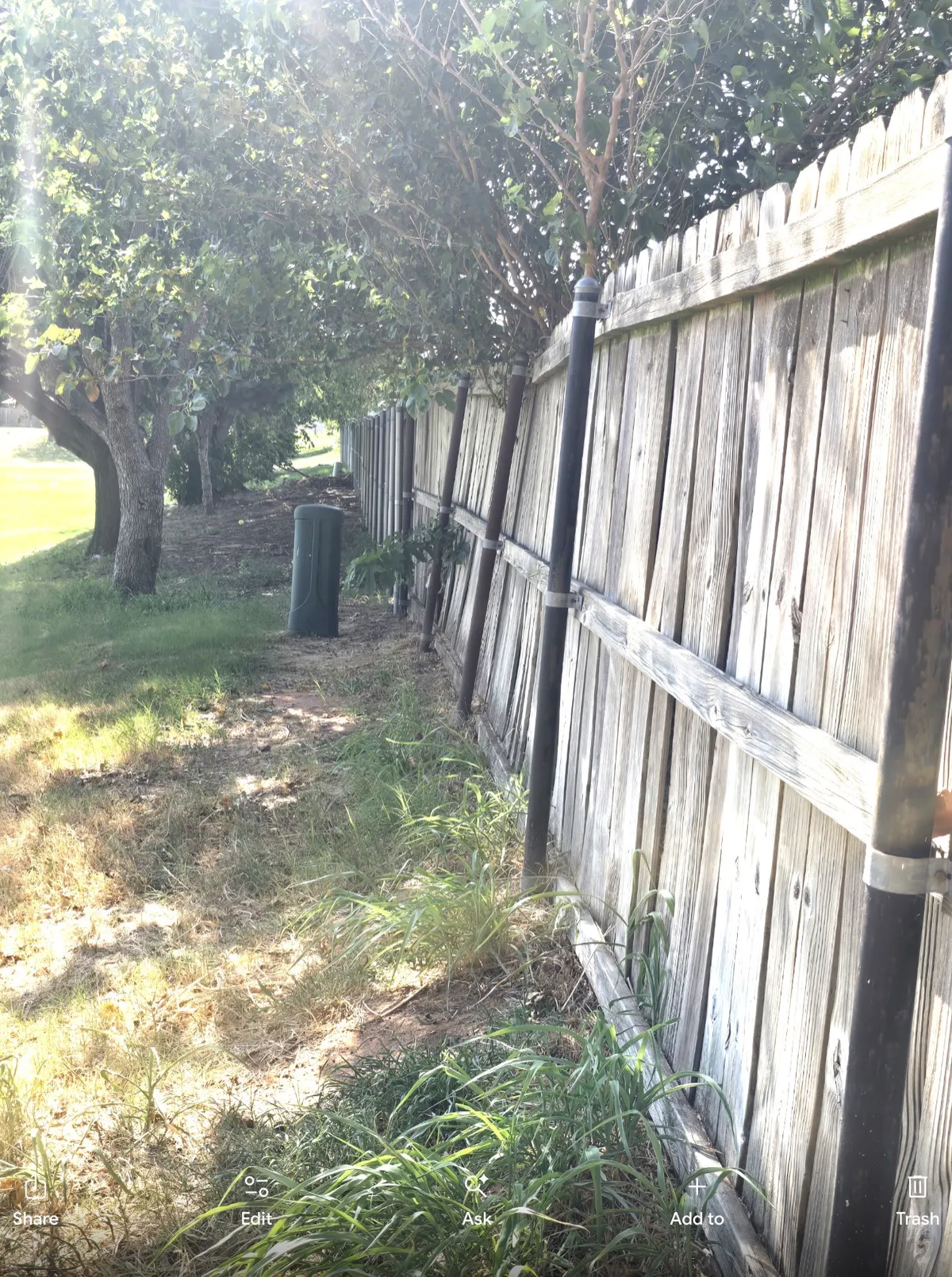
A fence runs between your yard and your neighbor’s yard. It needs to be repaired—or maybe it needs to be completely replaced.
So, who is responsible for it?
That sounds like a simple question, but the honest answer is: it depends on where the fence is located, who originally installed it, and what you and your neighbor agree to do.
Before anyone tears down a fence or starts dividing the bill, there are a few things Oklahoma City homeowners need to figure out.
A Fence Is Not Always the Property Line
One of the biggest mistakes homeowners make is assuming the existing fence marks the exact property line.
It might—but it also might not.
Older fences are sometimes installed several inches inside one owner’s property. Other fences may have been placed according to a handshake agreement between previous homeowners. In some cases, the original installer simply followed the old fence without confirming where the actual boundary was.
A fence contractor is not a land surveyor. We can install a fence along the line you identify, but we cannot legally determine where your property begins and your neighbor’s ends.
If the property line is uncertain, the safest option is to locate your property pins or hire a licensed surveyor before construction begins. That can prevent a much more expensive disagreement after the fence is already built.
Who Owns the Existing Fence?
Generally, if a fence is entirely on your property, it belongs to you. If it is entirely on your neighbor’s property, it belongs to your neighbor.
When a fence sits directly on or very close to the shared boundary, ownership and responsibility may not be obvious. That is why we recommend talking with your neighbor before removing or replacing it.
Ask a few basic questions:
Do they know who installed the existing fence?
Did either homeowner pay for it?
* Do they want it repaired or replaced?
* Are they willing to share any of the cost?
* Do they have dogs, children or other concerns during construction?
Even if you believe the fence belongs to you, a quick conversation can prevent confusion when a crew suddenly arrives and starts removing the barrier between the two yards.
Does Your Neighbor Have to Pay Half?
Many homeowners assume a neighbor is automatically required to pay half the cost of a new fence. You should not count on that.
Neighbors can voluntarily agree to divide the cost, but the agreement should be made before the work begins. One homeowner should not order a fence, choose all the materials and then hand the other homeowner half the bill afterward.
If your neighbor agrees to contribute, put the basic terms in writing:
The section of fence being replaced
The fence height and style
* The total agreed cost
* Each homeowner’s contribution
* Who will own and maintain the fence
* Who is responsible for future repairs
This does not need to become a complicated contract between neighbors. A clear written agreement, even through email, is better than relying on two different memories of a conversation.
What If Your Neighbor Will Not Help Pay?
You may still be able to install a fence on your own property, provided the project follows local codes, permit requirements, easements and any applicable HOA restrictions.
In that situation, you may decide to place the new fence slightly inside your property line. That makes it clear that you are paying for and controlling your own fence.
However, moving a fence inward can reduce the usable area of your yard. It can also leave a narrow strip of property between the new fence and the boundary that is difficult to maintain.
This is another reason to settle the property-line question before deciding where the fence will go.
Can You Remove the Old Fence?
Do not remove an existing boundary fence until you are confident that it belongs to you or you have permission from the other owner.
A fence may look like it faces one direction, but that does not prove ownership. The location of the posts, rails or finished side is not a reliable substitute for a survey or an agreement between the property owners.
If both neighbors agree to replace the fence, decide beforehand what will happen to the old materials and whether anything attached to the fence needs to be removed.
That may include:
Plants or vines
Decorations
* Lights
* Irrigation lines
* Dog barriers
* Landscaping
* Items stored against the fence
Both yards also need to be accessible during removal and installation.
Do You Need a Fence Permit in Oklahoma City?
Oklahoma City requires a fence permit when constructing, installing, altering or repairing a fence. Permit acquisition is not included in Legacy Fence & Construction’s scope of work. The homeowner is responsible for obtaining any required permits and HOA approvals before installation begins. The homeowner is also responsible for identifying the correct property lines. If the boundary is uncertain, we recommend obtaining a survey from a licensed surveyor.
Fence height and location also matter. Current Oklahoma City rules generally limit side and rear yard fences to eight feet in residential zoning districts. Front-yard fences have additional restrictions involving height, materials and visibility.
HOA rules or neighborhood covenants may be more restrictive than city requirements, so city approval does not automatically mean your HOA will approve the same fence.
Requirements can also differ in Yukon, Edmond, Mustang, Moore, Nichols Hills and other metro communities. The rules that apply are based on the property’s actual jurisdiction—not simply its mailing address.
Remember the Utilities on Both Sides
Before digging begins, public utilities should be located. However, homeowners also need to identify private lines that may not be marked through the standard utility-locate process.
These can include, but are not limited to:
Sprinkler systems
Septic or sewer lines
* Pool equipment
* Landscape lighting
* Private electrical lines
* Gas lines running from a meter to the house or another structure
When a fence separates two yards, private utilities from either property may be near the work area. Both homeowners should disclose anything they know about before installation starts.
Build the Fence for the Property—Not the Argument
The best neighbor-fence projects usually begin with a straightforward conversation.
Confirm the property line. Discuss the old fence. Decide whether the cost will be shared. Agree on the height, material and finished appearance. Then make sure the project follows city and HOA requirements.
At Legacy Fence & Construction, we help Oklahoma City-area homeowners understand their fence options and build a fence designed for Oklahoma conditions. We set our posts to the proper depth regardless of how difficult the digging becomes, use materials selected for longevity and back our installation with a lifetime workmanship warranty.
We cannot decide a property dispute, but once the line and responsibility are established, we can build a fence both yards will be glad to look at.
Planning to replace a fence between you and your neighbor?
Request a fence estimate from Legacy Fence & Construction, or call (405) 250-5500.